
How Truck Radiators Survive the Summer Heat: Avoiding Overheating Disasters

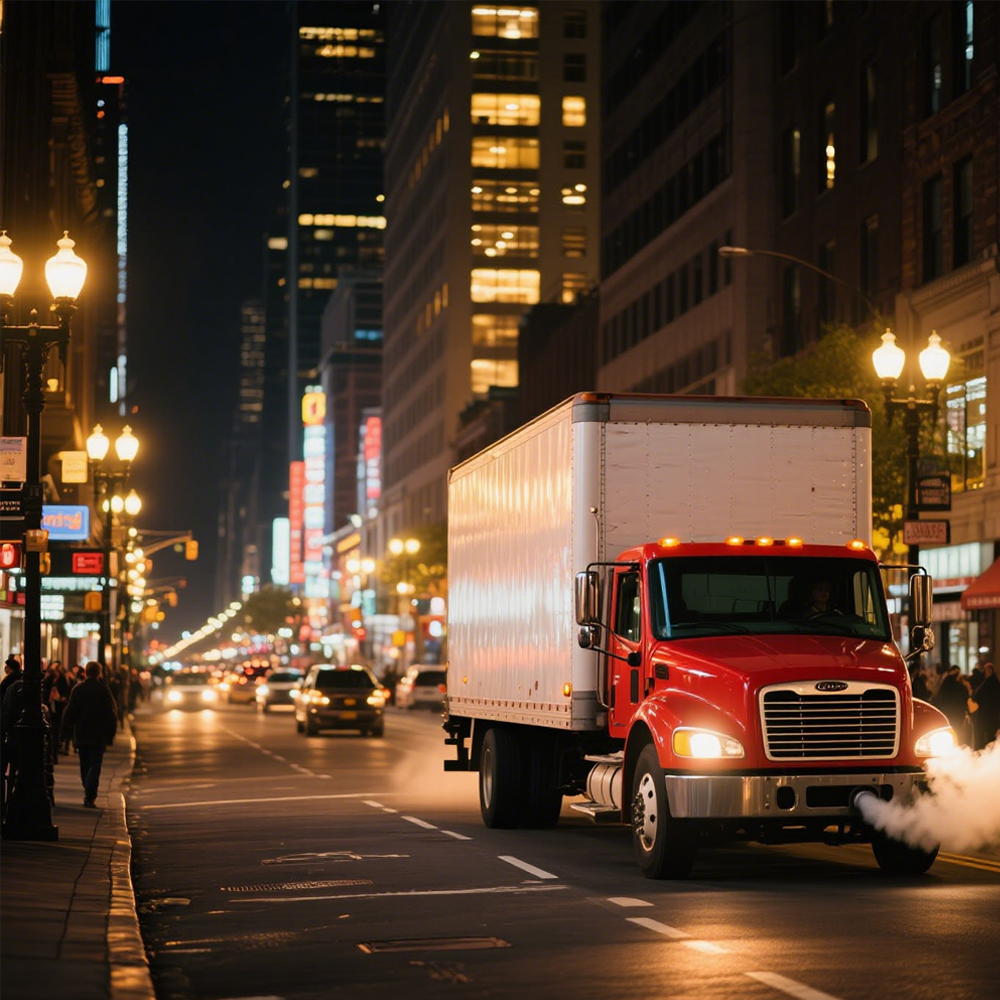
How Truck Radiators Survive the Summer Heat: Avoiding Overheating Disasters
Heatwave Alert: The Hidden Dangers of Radiator Boiling
As summer temperatures soar, commercial truck drivers face unique challenges on the road. While heat affects every vehicle component, few issues are as critical and potentially catastrophic as radiator "boiling"—a phenomenon where engine coolant reaches its boiling point, creating a cascade of problems that can derail schedules, damage equipment, and compromise safety. In extreme heat, truck engines work overtime, especially when hauling heavy loads or navigating mountainous terrain, making radiator overheating a top concern for fleet operators and independent drivers alike. Understanding the risks, causes, and preventive measures can mean the difference between a smooth delivery and a costly breakdown.
Radiator Boiling: A Lethal Threat to Your Engine
What Exactly Is Radiator Boiling?
Radiator boiling, commonly known as "overheating," occurs when the engine coolant exceeds its boiling point (typically around 223°F/106°C under normal operating pressure). This causes the coolant to vaporize into steam, creating bubbles that disrupt the normal circulation within the cooling system. These bubbles act as insulators, preventing effective heat transfer from the engine to the coolant—a process that quickly escalates engine temperatures to dangerous levels.
The Severe Consequences of Radiator Boiling
The impact of an overheated radiator extends far beyond a simple warning light on the dashboard:
- Accelerated Component Wear: Excessive heat causes metal parts to expand beyond their designed tolerances, leading to increased friction between pistons, cylinders, and other moving components. This can result in scoring, warping, or even seizure of critical engine parts.
- Reduced Heat Exchange Efficiency: Steam bubbles in the coolant system block proper circulation, creating hotspots that further degrade engine performance and increase fuel consumption.
- System Pressure Damage: The sudden pressure spikes from boiling coolant can rupture hoses, damage gaskets, or crack the radiator itself—repairs that often cost thousands and result in extended downtime.
- Catastrophic Failure Risk: In worst-case scenarios, prolonged overheating can lead to complete engine failure, stranding drivers in remote locations and causing significant financial losses.
Root Causes: Identifying the Culprits Behind Overheating
Coolant-Related Issues
- Insufficient Coolant Levels: Low coolant—caused by leaks, evaporation, or improper maintenance—reduces the system's ability to absorb and dissipate heat.
- Coolant Degradation: Over time, coolant loses its corrosion-inhibiting properties and becomes contaminated with rust, scale, and debris, impairing its thermal conductivity.
- Incorrect Coolant Selection: Using water instead of proper antifreeze/coolant mixtures lowers the boiling point and increases corrosion risk. Mixing different coolant types can cause chemical reactions that form harmful deposits.
Cooling System Malfunctions
- Radiator Blockages: Accumulated dirt, bugs, road debris, and mineral deposits clog radiator fins and internal passages, restricting airflow and coolant circulation.
- Damaged Radiator Fins: Bent, crushed, or broken fins—often caused by road debris—significantly reduce heat dissipation capacity.
- Fan System Failures: Worn or broken fan belts, malfunctioning fan clutches, faulty temperature sensors, or failing fan motors prevent proper airflow through the radiator when needed most.
- Water Pump Issues: A failing water pump reduces coolant circulation, leading to inadequate heat transfer away from engine components.
Thermostat Problems
The thermostat acts as the cooling system's gatekeeper, regulating coolant flow between the engine and radiator. A stuck-closed thermostat prevents proper coolant circulation, trapping heat in the engine and causing rapid overheating. Even a partially stuck thermostat can disrupt flow enough to cause temperature spikes during heavy loads.
Driving Conditions and Environmental Factors
- Extreme Ambient Temperatures: Summer heatwaves push ambient temperatures into the 90s and 100s°F (30s-40s°C), increasing the workload on cooling systems.
- Heavy Loads and High Demand: Hauling maximum-weight loads forces engines to work harder, generating more heat that the cooling system must dissipate.
- Continuous High-Stress Operation: Long stretches of highway driving, extended idling, or repeated mountain climbs without adequate cool-down periods can overwhelm even properly maintained systems.
- Poor Ventilation: Parking or operating in enclosed spaces with limited airflow reduces the radiator's ability to release heat.
Prevention Strategies: Proactive Measures to Avoid Overheating
Regular Inspections and Maintenance
- Monitor Gauges Continuously: Make checking temperature gauges part of your regular driving routine, especially during hot weather. Early detection of rising temperatures can prevent full-blown boiling.
- Pre-Trip and Post-Trip Checks: Before hitting the road, inspect coolant levels, check for leaks around hoses and connections, and ensure radiator fins are clear of debris. After driving, let the engine cool slightly, then check coolant levels again and inspect for any signs of overheating.
- Schedule Professional Inspections: Include cooling system checks in regular maintenance intervals, having technicians test coolant concentration, pressure-test the system, and inspect for hidden leaks or component wear.
Cooling System Maintenance
- Clean Radiators Regularly: Use low-pressure water or compressed air to remove debris from radiator fins every 10,000-15,000 miles or more frequently in dusty conditions. For internal cleaning, follow manufacturer recommendations to avoid damaging delicate components.
- Check Fan Components: Inspect fan belts for cracks or wear monthly, adjusting tension as needed. Test fan clutches and temperature sensors to ensure they activate at proper temperatures.
- Maintain Hose Integrity: Replace aging hoses and clamps before they fail—look for signs of bulging, cracking, or softening that indicate deterioration.
- Use Sprayers Cautiously: If using auxiliary water sprayers to cool radiators, ensure they're properly calibrated to avoid excessive moisture that can attract dirt and create blockages.
Coolant Management Best Practices
- Use Quality Coolant: Always choose the manufacturer-recommended coolant type, designed to handle the high temperatures and pressures of heavy-duty truck engines.
- Follow Replacement Schedules: Replace coolant according to manufacturer guidelines (typically every 2-5 years or 150,000-300,000 miles) to maintain optimal performance.
- Avoid Dilution and Mixing: Never add water to coolant systems unless in emergency situations, and never mix different types of coolant. When topping off, use the same formulation already in the system.
- Test and Replace When Needed: Use coolant test strips to check condition regularly. If coolant appears discolored, smells burnt, or tests poorly, drain the system completely, flush thoroughly, and refill with fresh coolant.
Optimizing Driving Habits
- Manage Load and Speed on Hills: When climbing steep grades with heavy loads, maintain steady speeds in lower gears to prevent engine strain. Avoid aggressive acceleration that increases heat production.
- Take Strategic Breaks: During long hauls in extreme heat, schedule periodic stops to let the engine cool. Park in shaded areas when possible to reduce ambient heat absorption.
- Avoid Unnecessary Idling: Extended idling in hot weather can cause heat buildup without sufficient airflow through the radiator. If stopped for more than a few minutes, shut down the engine to prevent overheating.
- Monitor Temperature Fluctuations: Learn your truck's normal temperature range and watch for abnormal spikes, especially when encountering challenging driving conditions.
Emergency Response: What to Do When Overheating Occurs
If Overheating Happens at Low Speeds
- Immediate Action: Safely pull over to a secure location, activate hazard lights, and turn off the engine immediately.
- Cooling Process: Open the hood (using gloves if necessary to protect against hot surfaces) to allow heat to escape. Do not attempt to open the radiator cap—wait until the engine has completely cooled (at least 30 minutes) to avoid scalding from pressurized steam.
- Assessment and Assistance: Once cooled, check coolant levels if safe to do so. Contact your fleet manager or roadside assistance for professional help, as overheating often indicates underlying issues that require expert diagnosis.
If Overheating Occurs During Highway Speeds
- Critical First Step: Resist the urge to shut off the engine immediately. Instead, safely reduce speed and move to the shoulder while keeping the engine running at idle.
- Cooling Protocol: Let the engine idle for 5-10 minutes to allow gradual cooling and prevent thermal shock to hot components. Turn off the air conditioning and any other non-essential electrical systems to reduce engine load.
- Post-Cooling Procedure: After the engine temperature drops to a safe range, turn off the engine and proceed with the same safety steps as low-speed overheating—waiting for complete cooling before any inspection attempts.
- Professional Intervention: Arrange for mechanical assistance to identify and repair the root cause before resuming travel.
Protect Your Radiator, Ensure Your Deliveries
In the demanding world of trucking, reliability is everything. As temperatures rise, your radiator becomes one of your most critical allies in keeping your operation running smoothly. By understanding the risks of overheating, implementing regular maintenance routines, using quality components, and practicing proactive driving habits, you can significantly reduce the chances of radiator boiling and its costly consequences.
Remember: A little prevention goes a long way. The time invested in cooling system checks and maintenance today can save you from expensive repairs, missed deadlines, and dangerous roadside emergencies tomorrow. When it comes to your truck's performance in extreme heat, your radiator deserves as much attention as your engine—because one can't function properly without the other. Stay cool, stay vigilant, and keep those deliveries on track all summer long.
Unleash peak truck performance with our top - tier radiators! Engineered for efficiency, they ensure cool operations, safeguard brakes, and cut fuel costs. Click [link] to upgrade now!
Unseen Forces: How Airflow & Pressure Keep Truck Radiators Cool
Don't Let Your Truck Engine Get "Heat Stroke"! Essential Radiator Maintenance Tips


