
Truck Cooling Guide: How to Choose Your Perfect Aftermarket Radiator

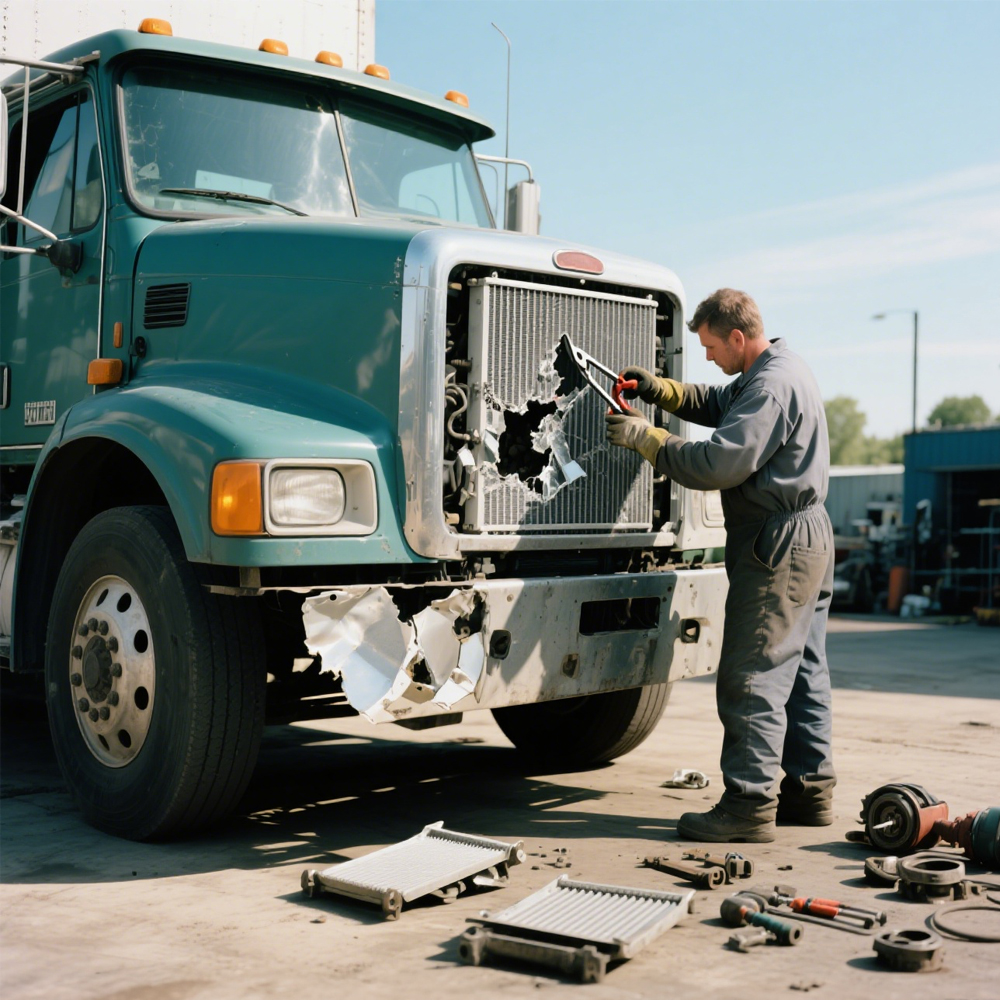
Truck Cooling Guide: How to Choose Your Perfect Aftermarket Radiator
Introduction: The Importance of Cooling
Your truck’s radiator is more than just a metal box under the hood—it’s the unsung hero that keeps your engine running at peak performance. A faulty or ill-fitting radiator can lead to overheating, reduced fuel efficiency, and even costly engine damage. Whether you’re hauling heavy loads, tackling long hauls, or navigating rough terrain, choosing the right aftermarket radiator is critical for keeping your truck on the road. Let’s break down how to find the perfect match.
1. Know Your Truck Inside Out
(1) Vehicle Type Matters
Not all trucks are created equal, and neither are their radiators. Light-duty trucks (like pickup trucks used for daily commuting or light towing) have different cooling needs than heavy-duty rigs (semi-trucks, dump trucks, or vehicles hauling maximum loads). Heavy-duty trucks generate far more heat, so they require radiators with greater cooling capacity to handle the extra stress.
(2) Match the Engine Power
A high-horsepower engine burns more fuel and produces more heat. If your truck has a turbocharged or supercharged engine, or if you’ve modified it for more power, you’ll need a radiator designed to handle that extra thermal output. A radiator that’s undersized for your engine’s power will struggle to keep up, leading to frequent overheating.
2. Cooling Systems: Air vs. Liquid
(1) Air-Cooled Systems
Air-cooled radiators rely on fans (either electric or belt-driven) to blow air over fins, dissipating heat directly. They’re simpler in design, lighter, and cheaper to manufacture. However, their cooling efficiency is limited—they work best for low-power engines or trucks operating in mild climates. They also tend to be noisier and less effective in stop-and-go traffic, where airflow is reduced.
(2) Liquid-Cooled Systems
Liquid-cooled radiators use a coolant (usually a mix of water and antifreeze) to circulate through the engine, absorbing heat, then transferring it to the radiator’s fins to be released into the air. They offer superior cooling performance, operate more quietly, and are far more efficient at regulating engine temperature—even in extreme conditions. Most modern trucks use liquid-cooled systems, and they’re a must for high-power engines or heavy-duty use.
3. The Science of Materials
(1) Aluminum Alloys
Aluminum is the gold standard for aftermarket radiators. It’s lightweight, highly conductive (meaning it transfers heat quickly), and resistant to corrosion. Many high-performance radiators combine aluminum cores with plastic tanks (for weight savings) or aluminum tanks (for added durability), making them ideal for most trucks.
(2) Plastic Components
Some budget-friendly radiators use plastic cores or tanks. While they’re cheaper, plastic is a poor heat conductor and more prone to cracking under extreme temperatures or vibration. They’re best suited for light use in mild environments—avoid them if you need long-term reliability.
4. Decoding Sizes and Specs
(1) Fitment Is Key
A radiator must fit perfectly in your truck’s engine bay. Measure the dimensions of your old radiator (height, width, thickness) or check your truck’s manual for factory specs. Even a slight mismatch can lead to poor airflow or installation issues. Many aftermarket brands list compatibility by make, model, and year—always double-check this.
(2) Cooling Performance Metrics
Look for specs like cooling surface area (more fins = better heat dissipation) and heat transfer efficiency (often listed as a percentage). For heavy-duty use, opt for radiators with a larger core or additional rows of tubes—these increase the area for heat exchange, keeping temperatures in check during intense operation.
5. Brand Reputation and Quality Checks
(1) Trusted Brands Deliver
Stick to reputable brands with a track record in automotive cooling. Names like Mishimoto, Spectra Premium, and Denso are known for rigorous testing, high-quality materials, and precise engineering. They often offer better craftsmanship than generic “no-name” radiators, reducing the risk of premature failure.
(2) Look for Certifications
Quality radiators will carry certifications like ISO 9001 (for manufacturing standards) or SAE International approvals. These labels indicate the product has been tested to meet industry performance and safety benchmarks—avoid radiators with no certifications.
6. Budget vs. Value: Finding the Sweet Spot
(1) Set a Realistic Budget
Aftermarket radiators range from budget-friendly ($100–$300) to high-performance options ($500+). While it’s tempting to go cheap, remember: a radiator is an investment. Skimping on quality could cost you more in repairs later.
(2) Prioritize Value Over Price
A mid-range radiator from a trusted brand often offers the best balance of performance and durability. Compare features: Does it include a warranty? Is it designed for your truck’s specific use case (e.g., towing, off-roading)? A slightly higher upfront cost is worth it for reliability.
7. Where to Buy
(1) Authorized Parts Stores
Local auto parts stores (like AutoZone or NAPA) carry verified aftermarket radiators and can help with fitment checks. Staff may also recommend brands based on your truck’s needs.
(2) Reliable Online Platforms
Websites like Amazon, RockAuto, or brand-specific online stores are convenient, but always check seller ratings and read customer reviews. Avoid third-party sellers with vague product descriptions—stick to “Amazon’s Choice” or authorized dealers.
8. Installation and After-Sales Support
(1) Professional Installation Matters
Even the best radiator won’t perform well if installed incorrectly. Improper mounting can block airflow, while loose hoses may cause leaks. Hire a certified mechanic familiar with your truck model to ensure a proper fit.
(2) Check the Warranty
A strong warranty is a sign of a quality product. Look for warranties of at least 1–3 years, covering defects in materials or workmanship. Also, confirm what’s included: Does the brand offer replacement parts or technical support if issues arise?
Conclusion: Make the Right Choice
Your truck’s radiator is critical to its longevity and performance. By matching it to your truck’s type, engine power, and usage, prioritizing quality materials, and checking fitment and warranties, you’ll find an aftermarket radiator that keeps your engine cool—no matter where the road takes you. Take your time, do your research, and invest in a radiator that’s built to last.
Unleash peak truck performance with our top - tier radiators! Engineered for efficiency, they ensure cool operations, safeguard brakes, and cut fuel costs. Click [link] to upgrade now!
Truck Radiator Failures: The "Invisible Threat" to Performance and Safety
Heavy-Duty Truck Radiator Technology: The Cooling Revolution Driving Toward the Future


