
Is an aluminum radiator better than a stock radiator?

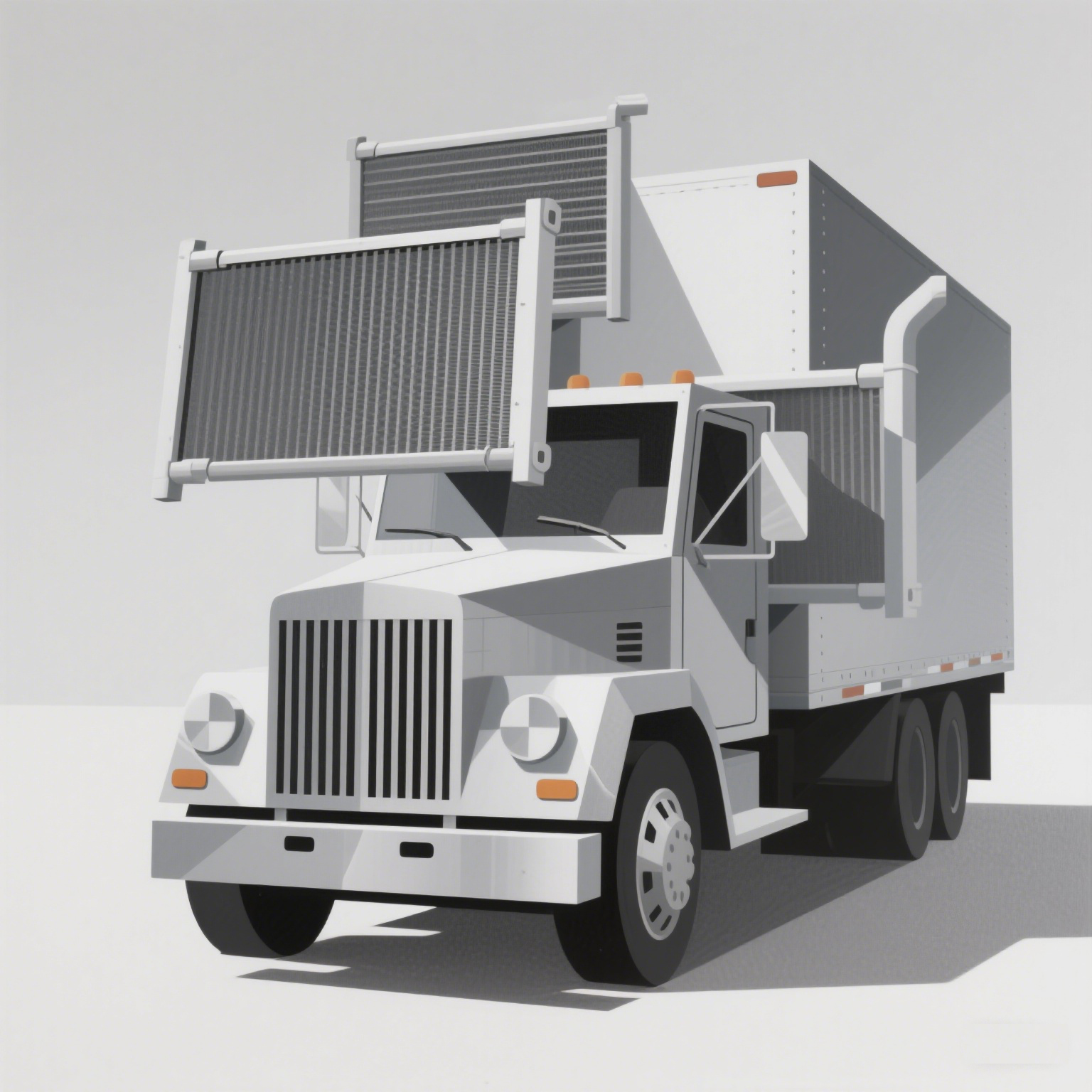
Is an aluminum radiator better than a stock radiator?
In the realm of vehicle maintenance and performance enhancement, the question of whether an aluminum radiator outperforms a stock radiator is a hotly debated topic among car enthusiasts, mechanics, and everyday drivers alike. To truly understand which option is superior, it’s essential to examine various aspects, including performance, cost, durability, compatibility, and installation.
Performance: The Heart of the Matter
One of the most critical factors in evaluating radiators is their cooling efficiency. Aluminum radiators have a distinct advantage in this regard. Thanks to their high thermal conductivity, aluminum radiators can dissipate heat at an impressively rapid rate. In fact, compared to some stock radiators, aluminum models can be up to 30% more efficient in heat dissipation. This enhanced cooling ability is particularly beneficial for high - performance vehicles or those operating in extreme conditions, such as during long - distance towing or in hot climates. The lightweight nature of aluminum radiators also plays a role here. By reducing the overall weight of the vehicle, they can contribute to improved fuel efficiency and better handling.
On the other hand, stock radiators, which are typically made from materials like copper or steel, have their own performance characteristics. Copper radiators are known for their excellent heat transfer capabilities. They can effectively move heat away from the engine, ensuring it stays within an optimal temperature range. However, copper is a relatively heavy material, which can add unnecessary weight to the vehicle. Steel radiators, while being more robust and better suited to withstand harsh environments, often lack the same level of heat dissipation efficiency as aluminum or copper radiators. This means that in high - stress situations, they may struggle to keep the engine cool.
Cost: Balancing the Books
Cost is another significant consideration when choosing between an aluminum radiator and a stock one. Aluminum radiators generally come with a higher upfront price tag. The advanced manufacturing processes required to produce aluminum radiators, along with the cost of the aluminum material itself, contribute to this higher cost. Prices for aluminum radiators can range from
500, depending on the vehicle make and model, as well as the specific features of the radiator.
200to
In contrast, stock radiators are often more budget - friendly, with prices typically falling in the range of
300. However, the cost comparison doesn’t end with the initial purchase. Over the long term, aluminum radiators can actually save you money. Their superior cooling efficiency means that the engine operates more efficiently, resulting in lower fuel consumption. Additionally, because they are less prone to corrosion and other forms of damage, they may require less frequent maintenance and replacement, further reducing long - term costs. Stock radiators, especially those made from materials like steel, may be more susceptible to rust and wear, leading to higher maintenance expenses over time.
100to
Durability: Standing the Test of Time
Durability is crucial for any automotive component, and radiators are no exception. Aluminum radiators are highly resistant to corrosion, thanks to the natural oxide layer that forms on the surface of the aluminum. This layer acts as a protective barrier, preventing the metal from reacting with moisture and other elements in the environment. As a result, aluminum radiators can last for many years, even in areas with high humidity or where road salt is used during the winter.
Stock radiators, depending on their material, have varying levels of durability. Copper radiators, while offering good heat transfer, can be vulnerable to corrosion in certain conditions. Steel radiators, although strong, can rust over time, especially if not properly maintained. This rust can compromise the integrity of the radiator, leading to leaks and reduced performance.
Compatibility & Installation: A Seamless Fit
The compatibility and installation process can also influence your decision between an aluminum radiator and a stock one. Aluminum radiators are often more adaptable, making them a popular choice for vehicle modifications or custom builds. They can be designed to fit a wide range of vehicle models and engine configurations. However, this adaptability may come at the cost of a more complex installation process. In some cases, custom mounting brackets or hoses may be required to ensure a proper fit.
Stock radiators, on the other hand, are specifically designed for a particular vehicle make and model. This means that they offer a straightforward, plug - and - play installation. Mechanics and DIY enthusiasts alike appreciate the simplicity of installing a stock radiator, as it minimizes the risk of errors and ensures a perfect fit right out of the box.
Conclusion: Making the Right Choice
In conclusion, the answer to whether an aluminum radiator is better than a stock radiator depends on your specific needs and priorities. If you own a high - performance vehicle, frequently drive in extreme conditions, or are looking for long - term cost savings through improved fuel efficiency and reduced maintenance, an aluminum radiator is likely the better option. Its superior cooling performance, durability, and potential for energy savings make it a worthy investment.
Conversely, if you’re on a tight budget, prefer a simple and straightforward replacement process, or drive a vehicle that doesn’t require high - end cooling capabilities, a stock radiator will serve you well. It offers a reliable, cost - effective solution that fits seamlessly into your vehicle’s existing system.
Ultimately, both aluminum and stock radiators have their own strengths and weaknesses. By carefully considering the factors discussed above, you can make an informed decision that ensures your vehicle’s cooling system operates at its best for years to come.
Unleash peak truck performance with our top - tier radiators! Engineered for efficiency, they ensure cool operations, safeguard brakes, and cut fuel costs. Click [link] to upgrade now!
Unlocking the Secrets of Radiator Manufacturing: The Key Art of Automobile Heat Dissipation
Aluminum Radiators: A Worthwhile Investment?


