
Truck Radiator: Unveiling the Secrets Behind Efficient Heat Dissipation

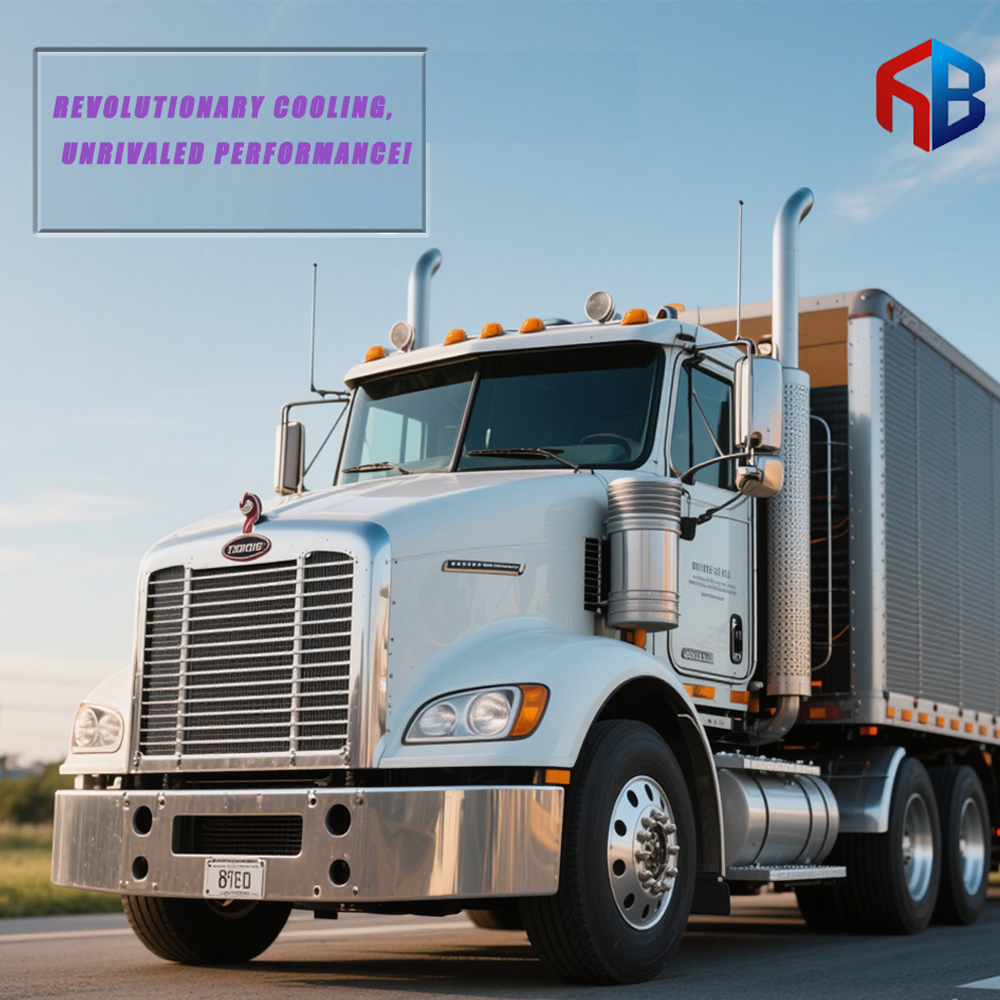
Truck Radiator: Unveiling the Secrets Behind Efficient Heat Dissipation
The truck radiator is a crucial component of the truck engine's cooling system, and the secrets behind its efficient heat dissipation are as follows:
Structural Design
- Multi-channel Design: There are many small channels inside the radiator. These channels increase the contact area between the coolant and the air. Take the commonly seen tube-fin radiators as an example. The coolant flows inside the tubes, and the air flows outside the tubes. Heat exchange occurs through the tube walls. The numerous channels significantly increase the heat exchange area, thereby improving the heat dissipation efficiency.
- Reasonable Airflow Guidance: The external structural design of the radiator helps to guide the air flow. For instance, a flow deflector is set in front of the radiator to enable the air to pass through the radiator more evenly, avoiding situations such as turbulent air flow or insufficient local air flow, and ensuring that all parts of the radiator can effectively conduct heat exchange.
Material Selection
- High Thermal Conductivity Materials: The core of the radiator usually uses materials with good thermal conductivity such as copper or aluminum. Copper has a high thermal conductivity and can quickly transfer the heat in the coolant to the surface of the radiator and then dissipate it into the air. Aluminum also has excellent thermal conductivity, and it has the advantages of light weight and corrosion resistance, which helps to reduce the overall weight of the truck and extend the service life of the radiator.
- Heat Sink Fin Materials: The heat sink fins generally use thin metal materials with good thermal conductivity, such as aluminum alloy. The function of the fins is to further increase the heat dissipation area. Thin fins can make the heat transfer from the radiator core to the air more quickly, improving the heat dissipation efficiency.
Coolant Characteristics
- Appropriate Boiling Point and Freezing Point: The coolant is usually a mixture of water and additives such as ethylene glycol. The addition of ethylene glycol increases the boiling point of the coolant, making it less likely to boil at high temperatures, and at the same time reduces the freezing point to prevent it from freezing in low-temperature environments. In this way, the coolant can ensure normal circulation in different working environments and effectively take away the heat generated by the engine.
- High Specific Heat Capacity: The coolant has a high specific heat capacity, which means that it can absorb a large amount of heat while its own temperature rises relatively little. When the engine is running, the coolant circulates continuously, absorbing the heat generated by the engine and carrying it to the radiator for dissipation. Due to its high specific heat capacity, it can take away more heat in a single cycle, thus improving the heat dissipation efficiency.
Fan and Ventilation System
- Efficient Fan: The fan equipped with the truck radiator usually has a large diameter and an appropriate blade angle. A large-diameter fan can generate a large air volume, and the design of the blade angle enables the fan to effectively blow the air through the radiator when rotating. Some fans also adopt variable speed control, automatically adjusting the fan speed according to the engine load and coolant temperature, providing sufficient air volume when needed and avoiding unnecessary energy consumption at the same time.
- Good Ventilation Environment: The design of the truck's engine compartment pays attention to ventilation to ensure good air circulation around the radiator. For example, the positions of the air inlet and outlet of the engine compartment are reasonable, allowing the air to flow in and out smoothly and forming an effective convection. In addition, some trucks also use forced ventilation devices, such as the intercooler in the turbocharging system, to improve the heat dissipation effect of the radiator by increasing the air flow.
-
Unleash peak truck performance with our top - tier radiators! Engineered for efficiency, they ensure cool operations, safeguard brakes, and cut fuel costs. Click [link] to upgrade now!
Secrets of Selecting Truck Radiators: Insights that Seasoned Drivers Know
Truck Radiator: The Invisible Guardian of the Engine


