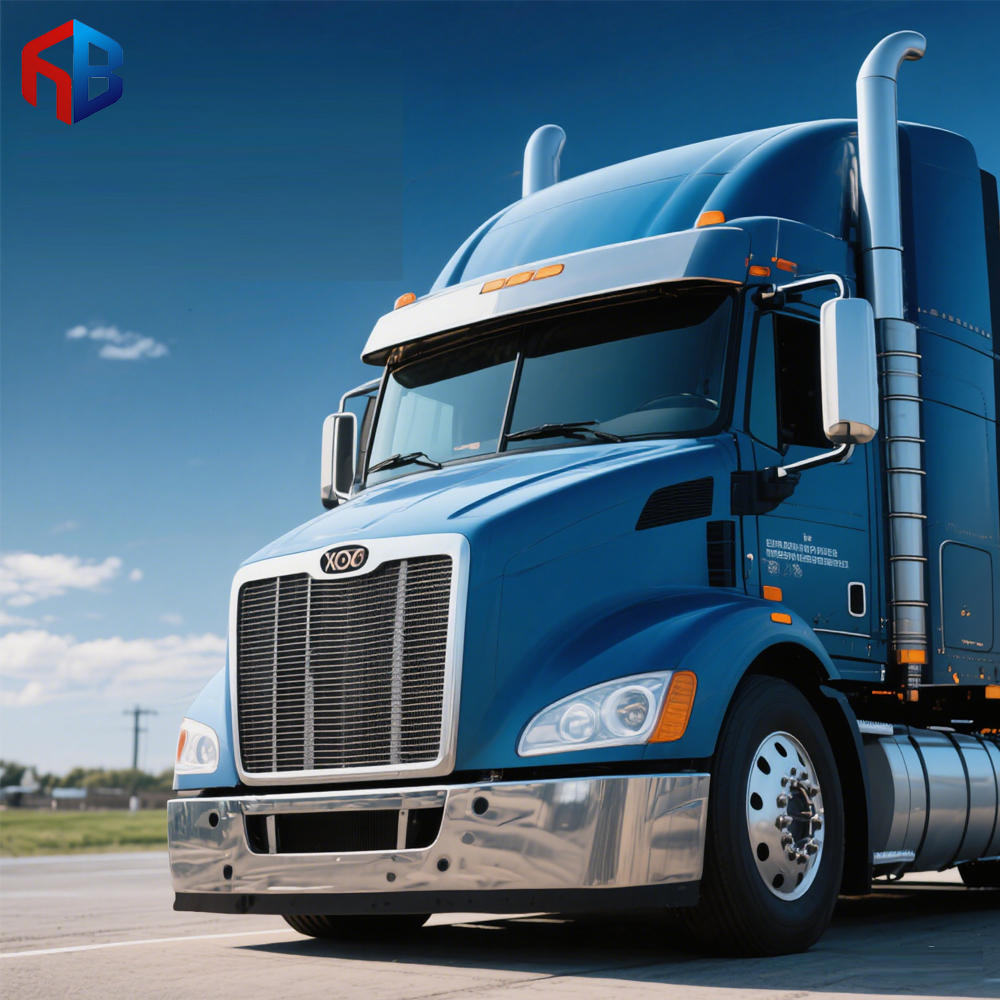
The Vital Role of Heavy Truck Radiators in Efficient Transportation
author: Sandy
2024-12-19
The Significance of Heavy Truck Radiators
In the realm of heavy-duty transportation, heavy truck radiators play an indispensably crucial role. Heavy trucks are often engaged in long and demanding journeys, carrying substantial loads across vast distances. During these arduous trips, the engine of a heavy truck works continuously under high pressure and intense heat conditions. Just like the human body needs a proper cooling system to maintain normal physiological functions, the heavy truck relies on its radiator to keep the engine operating within an appropriate temperature range.
A well-functioning heavy truck radiator is essential for preventing the engine from overheating. Overheating can lead to a series of serious problems, such as reduced engine performance, increased wear and tear of engine components, and even engine breakdowns. In heavy-duty transportation where timely delivery and efficient operation are of utmost importance, any disruption caused by engine issues can result in significant delays and financial losses.
Moreover, by effectively dissipating heat, the radiator helps to maintain the stability and reliability of the entire vehicle system. It enables the heavy truck to run smoothly on the road, whether it's traversing through mountainous terrains, scorching deserts, or busy highways. This, in turn, is vital for ensuring the efficient transportation of goods, contributing to the seamless flow of the supply chain and meeting the diverse demands of various industries that rely on heavy trucks for the delivery of their products.
In short, heavy truck radiators are the unsung heroes behind the scenes of heavy-duty transportation, quietly working to cool down the engines during those tough heavy-duty trips and, at the same time, heating up the efficiency of the overall transportation process.
Anatomy of Heavy Truck Radiators
A heavy truck radiator consists of several key components that work in harmony to perform the crucial function of heat dissipation. Firstly, the radiator core is the heart of the system. It is typically made up of numerous narrow tubes or channels, which are often surrounded by fins. These fins play a significant role as they increase the surface area available for heat transfer. The greater the surface area, the more efficiently heat can be dissipated into the surrounding air. For example, when the hot coolant flows through the tubes in the core, the heat is conducted through the walls of the tubes to the fins, which then release it to the air passing by.
The tanks at either end of the radiator core are also vital. They serve as reservoirs for the coolant. One tank is usually the inlet tank where the hot coolant from the engine enters the radiator. The other is the outlet tank, from which the cooled coolant returns to the engine. The tanks are designed to hold a sufficient volume of coolant to ensure continuous circulation and cooling. Additionally, some heavy truck radiators may feature additional elements like baffles or special coatings. Baffles can help direct the flow of coolant in a more controlled manner through the core, optimizing the cooling process. Special coatings on the inside of the radiator components might be applied to enhance corrosion resistance, prolonging the lifespan of the radiator and maintaining its performance over time.
How They Work to Dissipate Heat
The process of heat dissipation in heavy truck radiators is a continuous and well-coordinated cycle. It begins with the circulation of the coolant within the engine. As the engine runs, it generates a significant amount of heat due to the combustion process. The coolant, which is usually a mixture of water and antifreeze substances, absorbs this heat as it flows around the engine's hot components such as the cylinders and cylinder heads. This heated coolant then moves through hoses and enters the radiator via the inlet tank.
Once inside the radiator, the coolant flows through the tubes in the core. At the same time, air is constantly being drawn through the radiator. This can be achieved either by the natural movement of the vehicle as it drives forward, causing air to flow over the radiator, or by the operation of an electric or mechanical fan when the vehicle is stationary or when additional cooling is needed. As the air passes over the fins and tubes of the radiator core, heat is transferred from the hot coolant in the tubes to the cooler air. The air effectively carries away this heat, cooling the coolant down. The now-cooled coolant then exits the radiator through the outlet tank and returns to the engine to absorb more heat, repeating the cycle continuously. This way, the heavy truck radiator effectively keeps the engine's temperature within the optimal operating range, enabling the heavy truck to carry out its heavy-duty transportation tasks without the risk of overheating.
Ensuring Engine Optimal Performance
During long heavy-duty hauls, the engine of a heavy truck is constantly working under high pressure and generating a significant amount of heat, just like the engine in ['endʒɪn]. If the engine temperature gets too high, it can lead to a series of problems that may disrupt the heavy-duty journey. Here is where a properly functioning heavy truck radiator plays a vital role. It keeps the engine temperature within the ideal range by continuously dissipating the heat generated during the operation of the engine. For example, when the coolant absorbs the heat from the engine components such as the cylinders and cylinder heads, it flows into the radiator. Then, through the heat transfer process between the coolant in the radiator core and the air passing by, the heat is effectively released into the atmosphere. This way, the radiator prevents the engine from overheating which could otherwise cause serious damage like reduced engine performance, increased wear and tear of engine components, and even engine breakdowns on the road. By ensuring the engine operates within the optimal temperature range, the heavy truck can smoothly continue its journey, whether it's traveling across long distances on highways or through challenging terrains like mountainous areas or deserts.
Contribution to Overall Transportation Efficiency
The health and performance of the engine are directly related to the overall efficiency of transportation. A well-functioning heavy truck radiator indirectly enhances the efficiency of transportation in multiple aspects. Firstly, by maintaining the engine's good condition and preventing unexpected breakdowns due to overheating, it reduces the likelihood of unexpected stops for repairs. When a heavy truck can run continuously without such disruptions, it becomes more likely to meet the delivery schedules. For instance, in commercial transportation where timely delivery of goods is crucial, trucks equipped with reliable radiators can ensure that the products reach their destinations on time. This not only satisfies the customers but also helps in maintaining the smooth operation of the entire supply chain. Moreover, fewer breakdowns mean that the productivity of the entire transportation operation is improved. Trucks can make more trips within a given time period, transporting more goods and contributing to the economic benefits of the transportation business. In a word, heavy truck radiators play an important part in Truck by keeping the engine in good shape and thus heating up the efficiency of the overall transportation process.
Maintenance and Care Tips for Heavy Truck Radiators
The Impact of Radiator Fin Quantity on Heat Dissipation