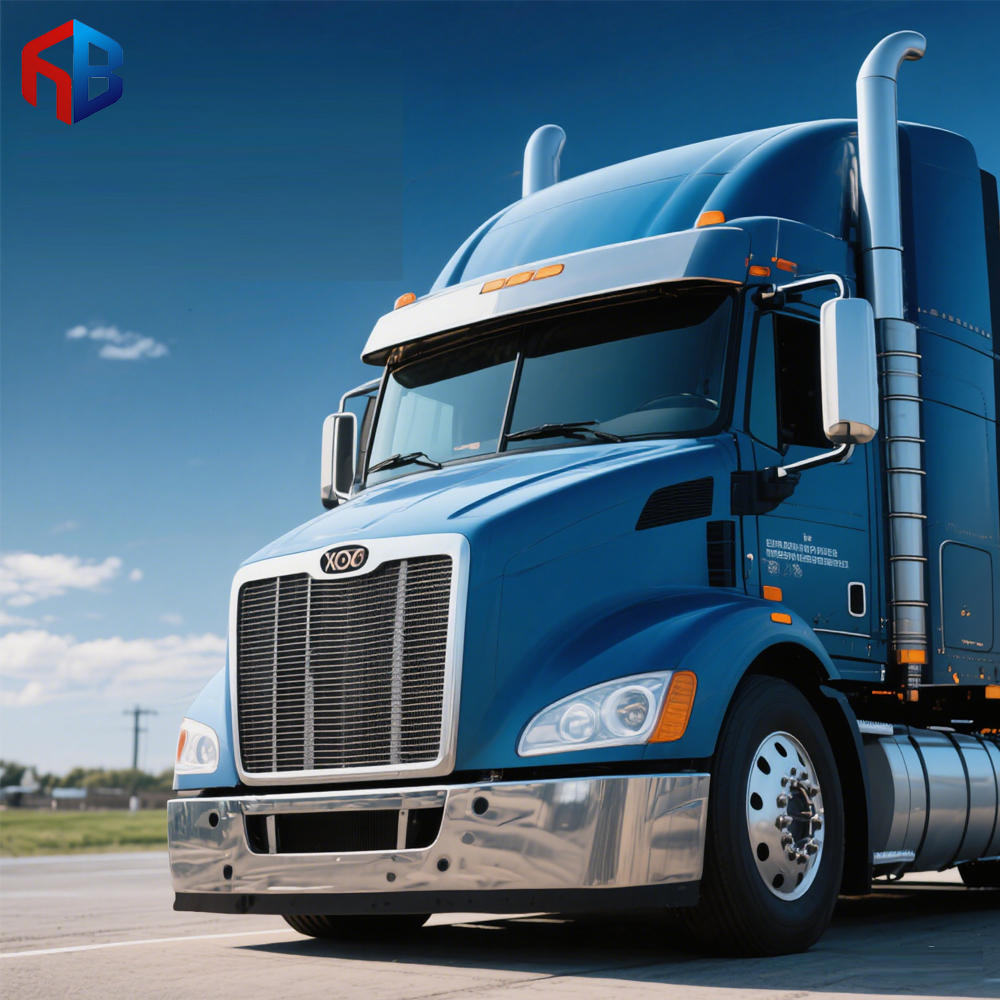
The unique design of our radiator
author: Sandy
2025-01-21

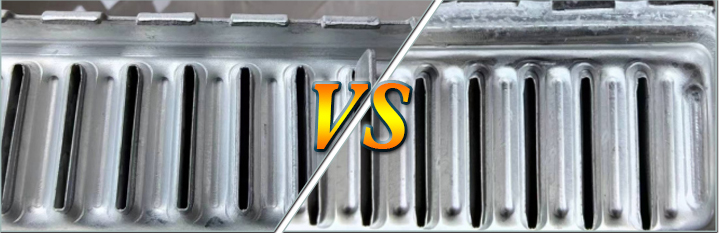
After brazing ,our radiator's headplate solts are thoroughly clean,free of any residual flux.Reinforced tube clips are placed on the side tubes.This effectively guards against side-tube cracking and damage caused by radiator vibration under poor vehicle operating conditions,thus significantly lengthening the product's lifespan.
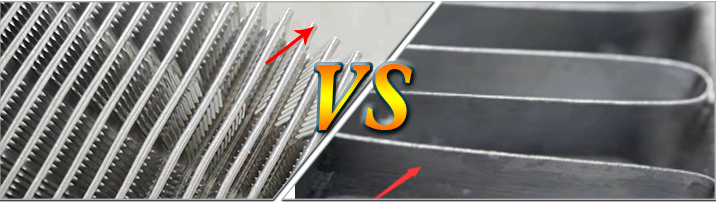
The heat-dissipation fins of our radiators utilize an advanced hemming process,strengthening their structure.They are less likely to bend or collapse upon contact,with an intact waveform,thus ensuring both excellent heat-dissipation performance and enhanced product aesthetics.
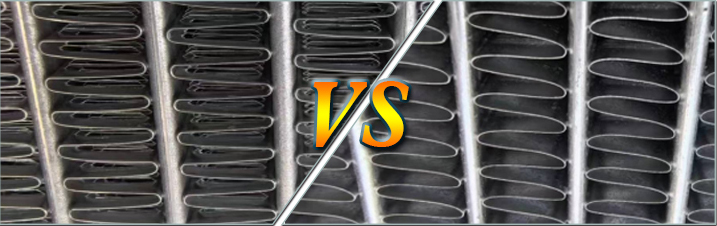
Our heat - dissipation pipes are fabricated from high - frequency welded tubes composed of 4343/3003/7072 alloy materials. The 4343 welding layer markedly elevates the welding quality both between the heat - dissipation fins and the heat - dissipation pipes and between the heat - dissipation pipes and the motherboard. This leads to more complete weld penetration and bead formation. The 7072 anti - corrosion layer provides superior protection for the pipe walls, effectively impeding corrosion and thus enhancing the product's long - term durability. Owing to the melting of the brazing layer on the surface of the high - frequency welded tubes during the manufacturing process, the surface of the heat - dissipation pipes exhibits a slightly rough finish after exiting the furnace.
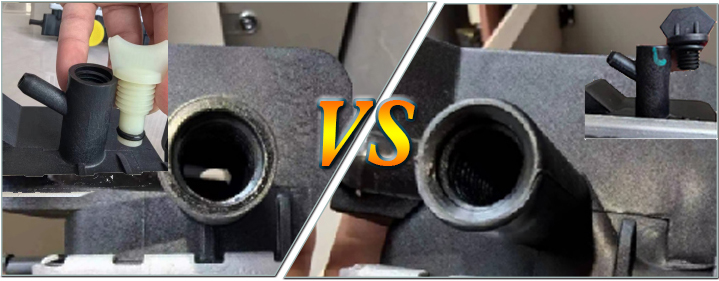
The drain gas pipe of the drain valve in our radiator features a through - hole design. During the operation of opening the drain valve, it effectively vents air and relieves pressure. This design safeguards personnel from potential scalding hazards, ensuring a high level of safety.The employment of premium materials in our radiator exerts a far - reaching influence on its performance and overall quality, setting it apart in the market.
Enhanced Heat Dissipation Performance
Materials with high thermal conductivity, such as pure copper or top - tier aluminum alloys, play a pivotal role in efficient heat transfer. Take copper, for example. Its outstanding thermal conductivity enables it to rapidly absorb heat from the heat source when integrated into the radiator's tubes and fins. Subsequently, it transfers this heat to the fins with remarkable speed. The fins, crafted from high - quality materials, are designed to dissipate this heat into the ambient air with maximum efficiency. This process leads to a substantial decrease in the temperature of the heat - generating component, ensuring its stable operation and peak performance. In fact, tests have shown that radiators made with such materials can lower the temperature of the heat source by up to 15% more than those using inferior materials.
Increased Durability and Reliability
The utilization of durable materials in the radiator's construction is key to its long - term reliability. The housing, constructed from high - strength, corrosion - resistant materials, can endure harsh environmental conditions, including high humidity and exposure to corrosive chemicals. This safeguards the housing from rusting or deforming over time, which could otherwise disrupt the air flow or cause air leakage within the radiator. Additionally, high - quality tubes are less prone to developing leaks, ensuring the seamless and stable operation of the cooling system. As a result, the radiator has an extended service life, reducing the frequency of replacements and associated maintenance costs. Studies indicate that radiators with these durable materials can last up to 50% longer than their counterparts.
Lightweight yet Strong Structure
The adoption of advanced lightweight materials, such as specific high - tech aluminum alloys, allows for a significant reduction in the radiator's overall weight without compromising its structural integrity. This lightweight design not only simplifies the installation process across various applications but is also particularly advantageous in industries where weight is a critical factor, such as automotive and aerospace. Despite their reduced weight, these materials maintain sufficient strength to withstand the mechanical stress encountered during normal operation and installation, ensuring the radiator functions optimally under diverse conditions.
Automotive Radiators: The "Temperature Guardians" of Engines
Unveiling the Excellence of Freightliner Truck Radiators
Related Article