
Radiator factory automated production line
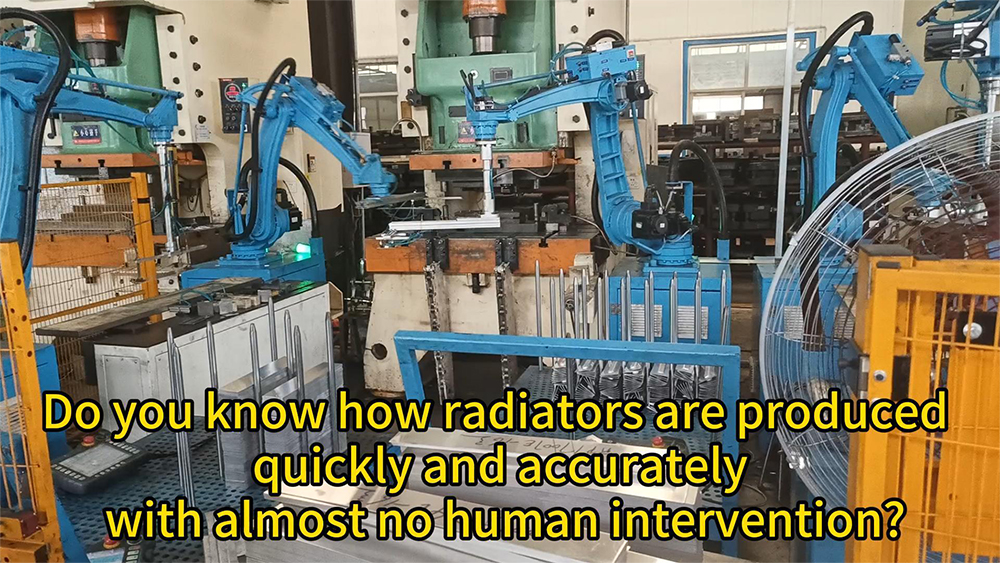
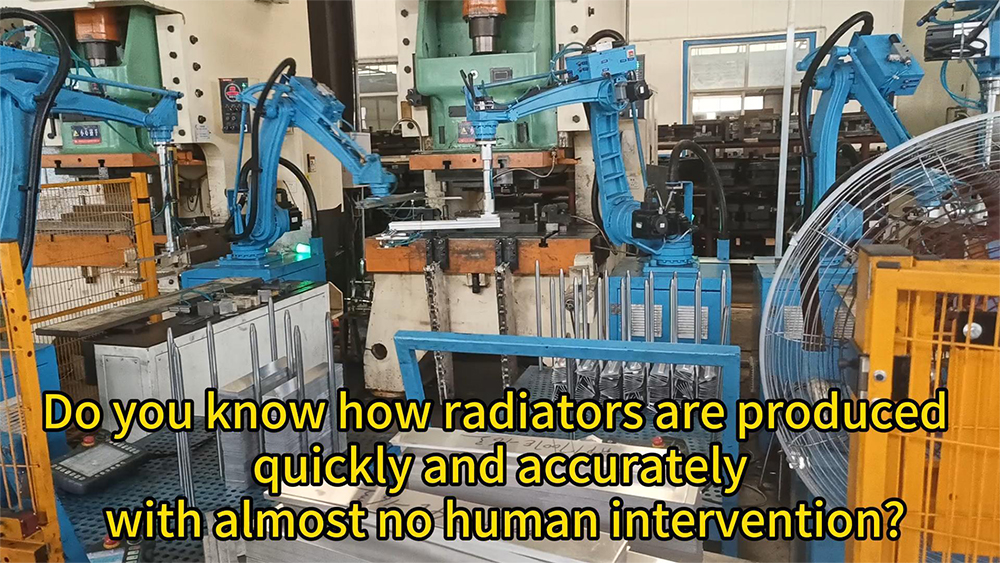
High - Efficiency Production
Rapid and Continuous Operation
The fully - automated production line can operate at an extremely high speed. For example, in the production of aluminum radiators, automated equipment can produce a complete radiator unit every few minutes and can work continuously for 24 hours. Compared with traditional manual production methods, the production efficiency can be increased several times or even dozens of times, enabling quick fulfillment of large - volume orders.
Precise Production Rhythm
The automated system controls the production process through pre - set programs, ensuring seamless and accurate connection between each production link. Just like a precise assembly line, from the transportation and processing of raw materials to the assembly and packaging of products, every step is carried out in strict accordance with time and sequence. This eliminates the rhythm disorders that may occur in manual operations, reducing waiting times during production and further enhancing overall production efficiency.
Superior Product Quality
High - Precision Processing
In the production of radiators, for processing procedures such as fin cutting and drilling, the fully - automated production line can use high - precision CNC equipment. These devices can control errors within a very small range, ensuring that the size and shape of each fin are highly consistent, which is beneficial for improving the heat dissipation performance and overall quality of the radiators.
Minimized Human - Factor Influence
During manual production, factors such as worker fatigue and mood can lead to unstable product quality. However, the fully - automated production line operates strictly according to pre - set standards, avoiding human - error operations such as weak welding and improper part installation, resulting in more stable and reliable product quality.
Cost - Effective Operations
Reduced Labor Costs
Traditional radiator production requires a large number of workers for various operational links, while the fully - automated production line reduces the reliance on manual labor. Although there is a high upfront investment in equipment purchase and installation, in the long run, it can significantly reduce labor costs. For example, a large - scale radiator factory using a fully - automated production line may only need a small number of technicians for equipment monitoring and maintenance. Compared with the previous hundreds or even thousands of workers, labor costs can be saved by millions or more.
High Raw Material Utilization Rate
The automated production line can make rational use of raw materials through precise control. When cutting raw materials, it can accurately cut according to the size of the radiator, reducing waste generation. For example, during copper tube cutting, automated equipment can accurately calculate the length of each copper tube segment, increasing the utilization rate of copper tubes by about 10% - 20%, thus reducing raw material costs.
Enhanced Safety and Environmental Friendliness
Worker Safety Assurance
Some processes in radiator production can be dangerous, such as flying debris during metal cutting and high - temperature welding. The fully - automated production line frees workers from these dangerous environments, reducing the probability of work - related accidents. For example, when an automatic welding robot is working, workers can monitor from a safe area, avoiding the risk of being scalded by welding sparks or inhaling harmful fumes.
Improved Working Environment
Automated production reduces manual operations, as well as noise and dust pollution in the workshop. For example, in the radiator grinding process, automated grinding equipment can effectively reduce dust dispersion through a closed working area and dust - collection devices, improving the working environment in the workshop.
The Unsung Hero of Your Car: Automotive Radiators
Does a Thicker Radiator Mean Better Water Cooling for Auto Radiator
Related Article


