
Automotive Air Conditioning Condenser: A Key Component for a Cool Ride

In the complex system of automotive air conditioning, the condenser stands out as a crucial part that significantly impacts your driving comfort. Let's take a deep dive into the world of automotive air conditioning condensers.
What is an Automotive Air Conditioning Condenser?
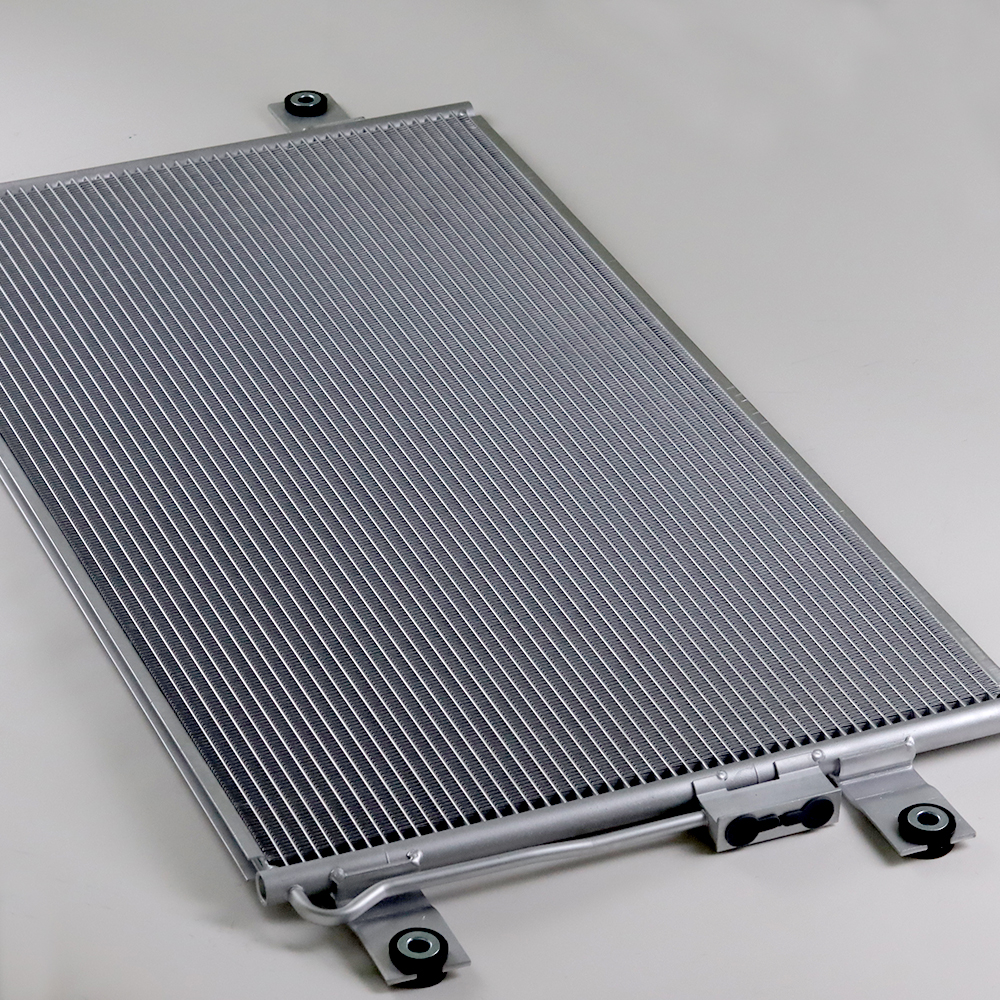
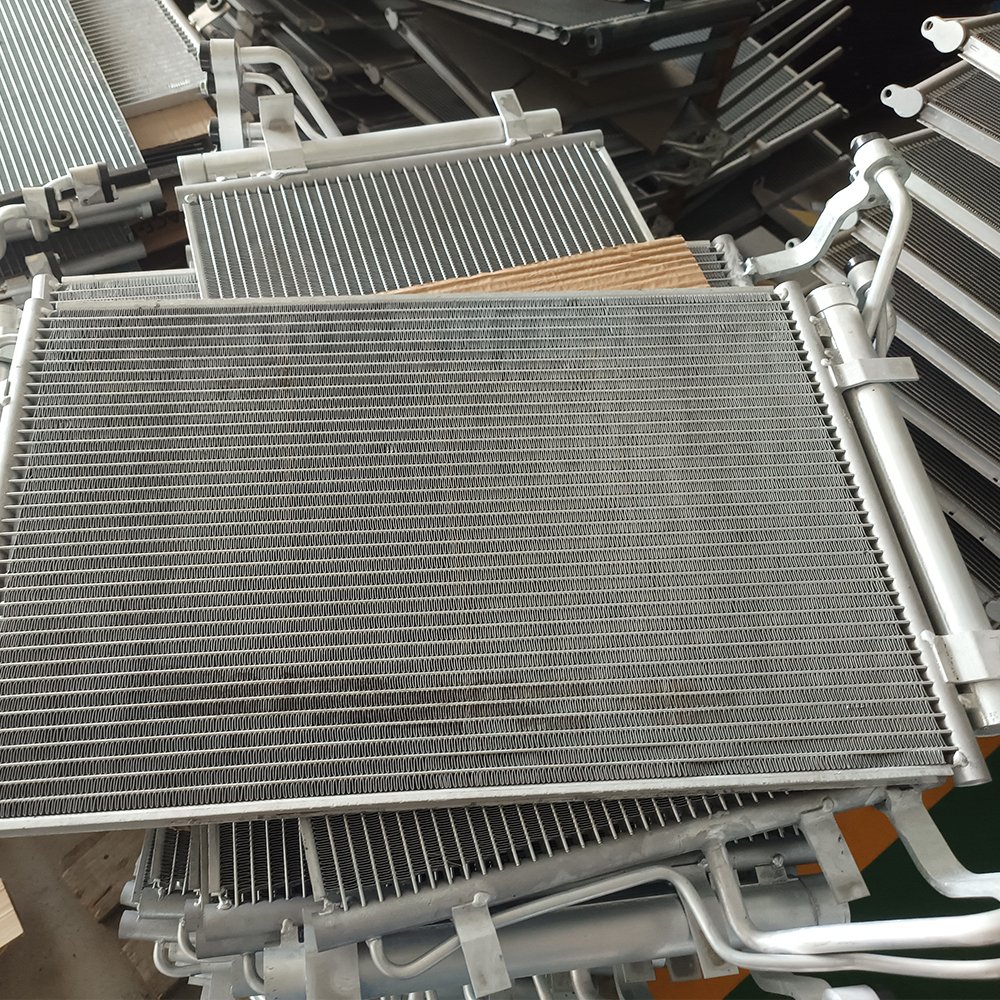
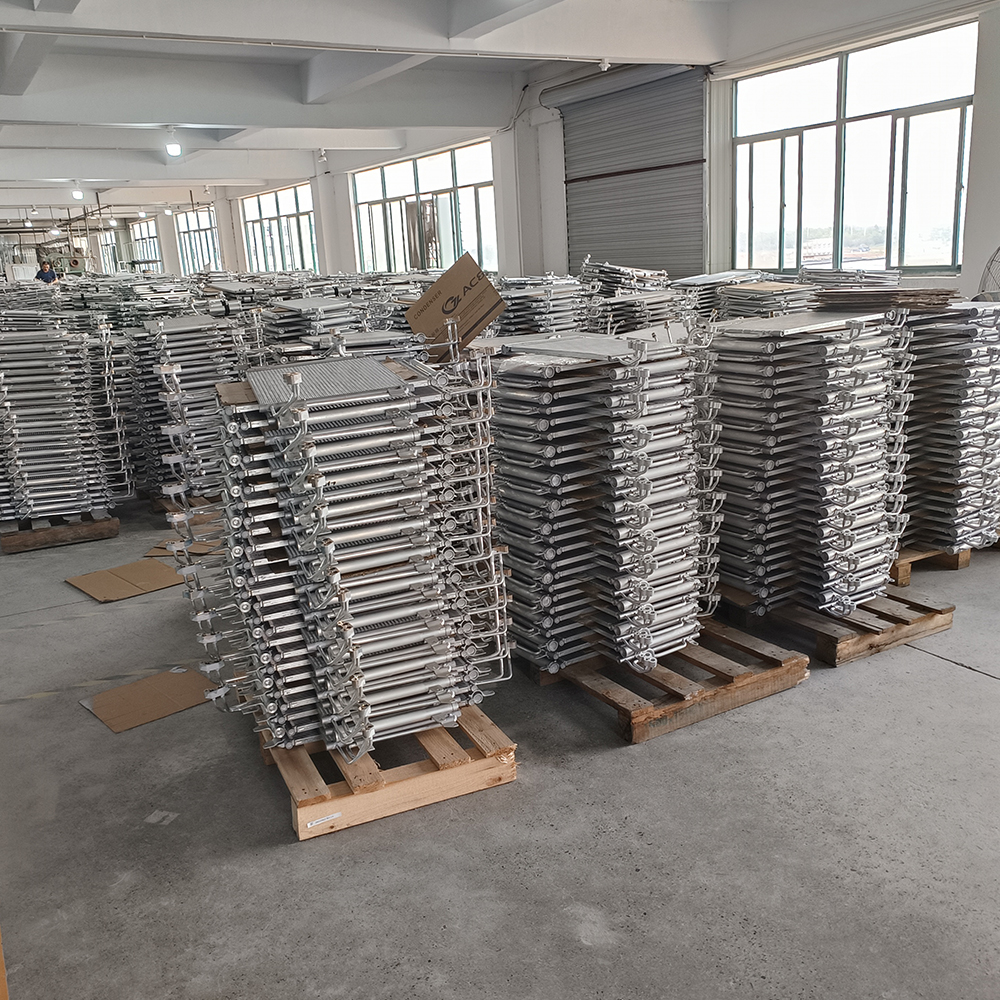
An automotive air conditioning condenser is a heat exchanger. Its primary function is to convert the refrigerant from a high - pressure gas state to a liquid state. As part of the car's air conditioning system, it is typically located in front of the radiator. This positioning allows it to take advantage of the incoming air while the vehicle is in motion, which is essential for its heat - dissipating function.
How Does the Condenser Work?
When the air conditioning system is turned on, the refrigerant, which has been compressed into a high - temperature, high - pressure gas by the compressor, enters the condenser. Inside the condenser, the refrigerant flows through a series of tubes and fins. The tubes are designed to maximize the surface area in contact with the air passing over them. As the vehicle moves or the radiator fan operates, air is forced over the condenser. This air flow causes the refrigerant to release its heat to the surrounding air. As the heat is dissipated, the refrigerant cools down and condenses from a gas into a liquid. Once in liquid form, the refrigerant is ready to move on to the next stage of the air - conditioning cycle, where it will be further processed and used to cool the air inside the vehicle.
Types of Automotive Air Conditioning Condensers
Tube and Fin Condensers
These condensers have been around for a long time and were quite popular in the past. They consist of copper tubes that are mechanically connected to aluminum fins. The refrigerant flows through the copper tubes, and the aluminum fins help to increase the surface area for heat transfer. Tube and fin condensers were widely used with R12 refrigerant. However, they have some limitations in terms of efficiency compared to more modern designs.
Serpentine Condensers
The serpentine condenser features a heat sink made of a composite sheet. Usually, there are three pieces, with the upper and lower pieces made of aluminum and containing elements like silicon. This design allows for an increase in heat transfer efficiency by 15 - 20% compared to traditional tube - type condensers. The refrigerant flows through a single, continuous tube that is arranged in a serpentine pattern, which also helps to optimize heat exchange.
Parallel Flow Condensers
Parallel flow condensers are among the most efficient types available today. They are widely used in vehicles equipped with R134a refrigerant. In a parallel flow condenser, the refrigerant is divided into multiple channels, allowing for a more efficient cooling process. These condensers are also known for their durability and corrosion resistance. The design enables better heat transfer, which results in improved overall air - conditioning performance.
The Importance of a Well - Functioning Condenser
A properly functioning condenser is vital for several reasons. Firstly, it directly impacts the cooling performance of the air - conditioning system. If the condenser is not working efficiently, the refrigerant may not condense properly, leading to reduced cooling capacity inside the vehicle. This can make for an uncomfortable driving experience, especially in hot weather.
Secondly, a good condenser helps to maintain the overall health of the air - conditioning system. By ensuring that the refrigerant is cooled and condensed effectively, it reduces stress on other components such as the compressor. This can extend the lifespan of the entire air - conditioning system and save you from costly repairs in the long run.
Finally, an efficient condenser can also have an impact on the vehicle's fuel economy. When the air - conditioning system has to work harder due to a faulty condenser, it places a greater load on the engine, which in turn can increase fuel consumption.
Maintenance and Replacement of Automotive Air Conditioning Condensers
Regular maintenance of the condenser is crucial. Over time, the condenser can become dirty, clogged with debris, or damaged. Dirt and debris on the surface of the condenser can impede the air flow and reduce its heat - transfer efficiency. It is recommended to periodically clean the condenser, especially if you often drive in dusty or dirty environments.
In some cases, the condenser may need to be replaced. Signs that your condenser may be faulty include reduced cooling performance, leaks in the refrigerant system (which can be indicated by a hissing sound or a refrigerant odor), or visible damage to the condenser coils. When replacing a condenser, it is important to choose a high - quality replacement part that is compatible with your vehicle's make and model.
Automotive air conditioning condensers are a key component in ensuring a comfortable driving experience. Understanding how they work, the different types available, and how to maintain them is essential for every vehicle owner. By taking proper care of your condenser, you can enjoy a cool and comfortable ride, no matter how hot it gets outside.