
Car Radiator Recommendations: A Key Component for Ensuring Efficient Engine Operation
author: HB Cooling
2025-07-28

Efficient Engine Operation
Your car's engine is like a hardworking powerhouse, but just like any hardworking machine, it generates a lot of heat during operation. If this heat isn't properly dissipated, it can lead to a range of problems, from reduced engine performance to serious damage. That's where the car radiator comes in – it's the unsung hero that keeps your engine running at the optimal temperature, ensuring efficient and reliable performance. In this article, we'll explore why a quality car radiator is essential and recommend some top-notch options to help you make the right choice.
The Vital Role of a Car Radiator
The engine operates through thousands of controlled explosions every minute, which produce an enormous amount of heat. Without a functioning radiator, the engine would quickly overheat, causing the oil to break down, parts to warp, and ultimately, a complete engine failure. The radiator works by circulating coolant through the engine block, absorbing the excess heat, and then releasing that heat into the air as the coolant flows through the radiator's fins. This continuous cycle keeps the engine within the ideal temperature range, allowing it to perform at its best while extending its lifespan.
Key Factors to Consider When Choosing a Car Radiator
Material: Radiators are commonly made from aluminum or copper-brass. Aluminum radiators are lightweight, corrosion-resistant, and offer good heat dissipation, making them a popular choice for modern vehicles. Copper-brass radiators, on the other hand, have excellent heat conductivity but are slightly heavier and more prone to corrosion if not properly maintained.
Cooling Capacity: The cooling capacity of a radiator depends on its size, the number of fins, and the design of the core. It's crucial to choose a radiator that can handle the heat output of your specific engine. If you have a high-performance engine or frequently drive in hot climates, a radiator with a higher cooling capacity is a must.
Fitment: Not all radiators are universal. You need to ensure that the radiator you choose is specifically designed to fit your car's make, model, and year. A properly fitting radiator will ensure a seamless installation and optimal performance.
Durability: Look for radiators that are built to last. Features such as reinforced tanks, sturdy core construction, and high-quality gaskets can all contribute to a radiator's durability.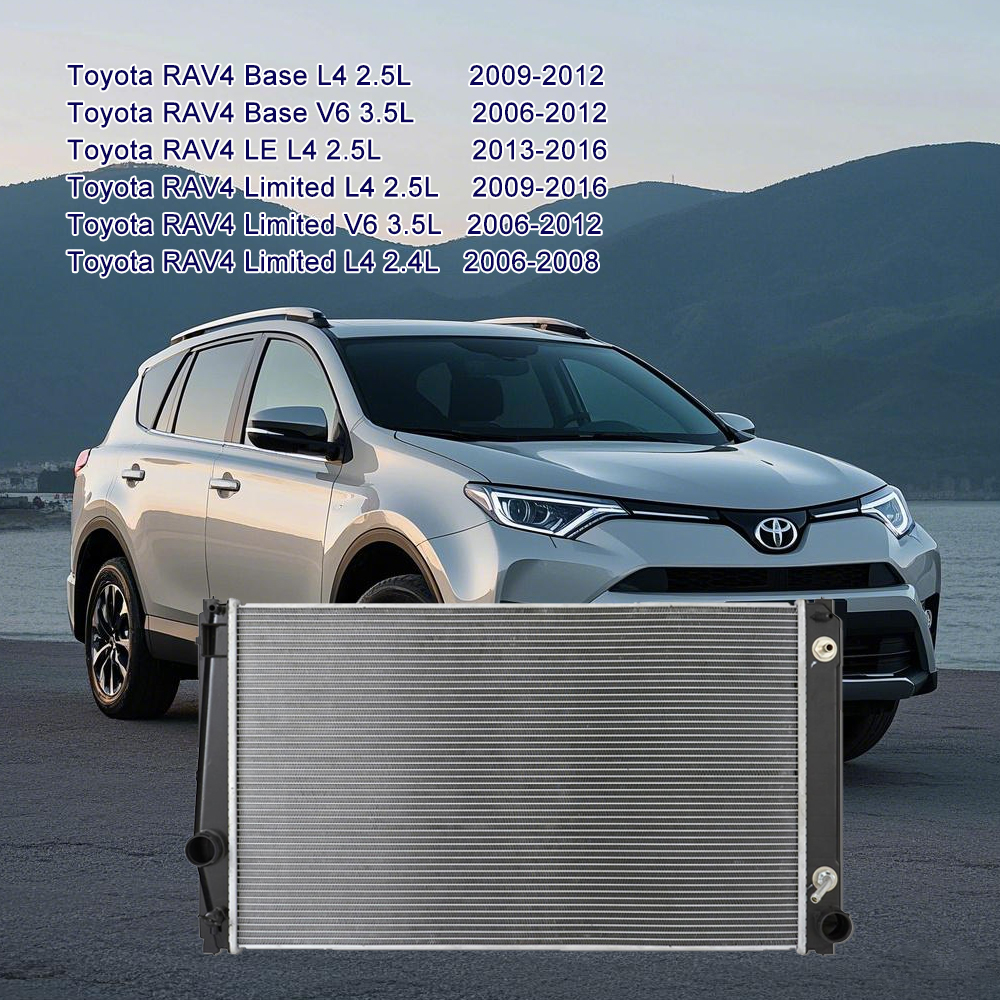
Your car's engine is like a hardworking powerhouse, but just like any hardworking machine, it generates a lot of heat during operation. If this heat isn't properly dissipated, it can lead to a range of problems, from reduced engine performance to serious damage. That's where the car radiator comes in – it's the unsung hero that keeps your engine running at the optimal temperature, ensuring efficient and reliable performance. In this article, we'll explore why a quality car radiator is essential and recommend some top-notch options to help you make the right choice.
The Vital Role of a Car Radiator
The engine operates through thousands of controlled explosions every minute, which produce an enormous amount of heat. Without a functioning radiator, the engine would quickly overheat, causing the oil to break down, parts to warp, and ultimately, a complete engine failure. The radiator works by circulating coolant through the engine block, absorbing the excess heat, and then releasing that heat into the air as the coolant flows through the radiator's fins. This continuous cycle keeps the engine within the ideal temperature range, allowing it to perform at its best while extending its lifespan.
Key Factors to Consider When Choosing a Car Radiator
Material: Radiators are commonly made from aluminum or copper-brass. Aluminum radiators are lightweight, corrosion-resistant, and offer good heat dissipation, making them a popular choice for modern vehicles. Copper-brass radiators, on the other hand, have excellent heat conductivity but are slightly heavier and more prone to corrosion if not properly maintained.
Cooling Capacity: The cooling capacity of a radiator depends on its size, the number of fins, and the design of the core. It's crucial to choose a radiator that can handle the heat output of your specific engine. If you have a high-performance engine or frequently drive in hot climates, a radiator with a higher cooling capacity is a must.
Fitment: Not all radiators are universal. You need to ensure that the radiator you choose is specifically designed to fit your car's make, model, and year. A properly fitting radiator will ensure a seamless installation and optimal performance.
Durability: Look for radiators that are built to last. Features such as reinforced tanks, sturdy core construction, and high-quality gaskets can all contribute to a radiator's durability.