
Unlock the Secrets of Selecting an Automotive Radiator: Your Engine's Savior is Here
author: SANDY
2025-03-05
Unlock the Secrets of Selecting an Automotive Radiator: Your Engine's Savior is Here
Radiator: The "Invisible Shield" of Your Car
The radiator, a crucial "invisible shield" in a car, dissipates engine - generated heat to maintain its proper working temperature. Failure to do so can lead to accelerated wear, deformation, or severe damage of engine components. A real - life example is a long - distance driver who ignored the water - temperature warning light, resulting in a damaged cylinder head gasket and high repair costs due to radiator malfunction.
Factors to Consider When Selecting the Right Radiator
Vehicle - Specific
- Type: Sedans have compact radiators for comfort, trucks need large, high - performance ones for heavy - duty use, and SUVs require radiators with good heat dissipation and protection for complex terrains.
- Power: Higher - powered vehicles demand radiators with stronger heat - dissipation capabilities, as more power means more heat production.
Environment - Related
- Climate: Hot regions need radiators with extreme heat - dissipation ability, while cold areas require ones with insulation and anti - freezing features, sometimes with auxiliary heating.
- Geography: Coastal - driven cars need corrosion - resistant radiators, those in hard - water areas need anti - scaling ones, and mountain - driving vehicles require well - protected radiators.
Material
- Aluminum Alloy: Widely used for good heat dissipation, corrosion resistance, and moderate cost.
- Plastic: Low - cost and lightweight but has poor heat - dissipation and high - temperature stability.
- Copper: Excellent thermal conductivity, used in high - end or racing cars, but expensive, heavy, and less corrosion - resistant.
Budget
- Limited: Opt for domestic brand basics.
- Moderate: Choose mid - range products from well - known brands.
- Ample: Consider high - end international brands.
Practical Steps for Selection
Determine Vehicle Info
Use the driving license, nameplate, and factory inspection certificate to get brand, model, and power details for a precise radiator match.
Match Environment & Material
Based on the vehicle's usage environment (coastal, hard - water, mountainous), pick a radiator with suitable material and protection.
Weigh Budget & Value
Consider performance, quality, durability, watch for promotions, read user reviews, and prioritize after - sales service.
Selection Precautions
Understand Parameters
Pay attention to size, heat - dissipation efficiency (thermal resistance, conductivity), and air volume.
Choose Reliable Sources
Pick well - known brands like Bosch or Mahle and authorized, experienced suppliers with good reviews.
Installation and Maintenance
Installation
Follow instructions, clean the installation site, and ensure tight connections.
Maintenance
Regularly check coolant level/quality, radiator fins, and fan operation.
FAQs
Leakage
Stop the engine, check the leak point. Tighten nuts or replace gaskets for joint leaks, use PTFE tape for small holes, and replace the radiator for large cracks.
Fan Malfunction
Check power cords and fuses first. Repair or replace the fan motor or temperature control switch if they are faulty.
Replacement Need
Replace the radiator when fins are severely damaged, there is internal corrosion, or repeated repairs don't fix the problem, or when heat - dissipation performance drops significantly.
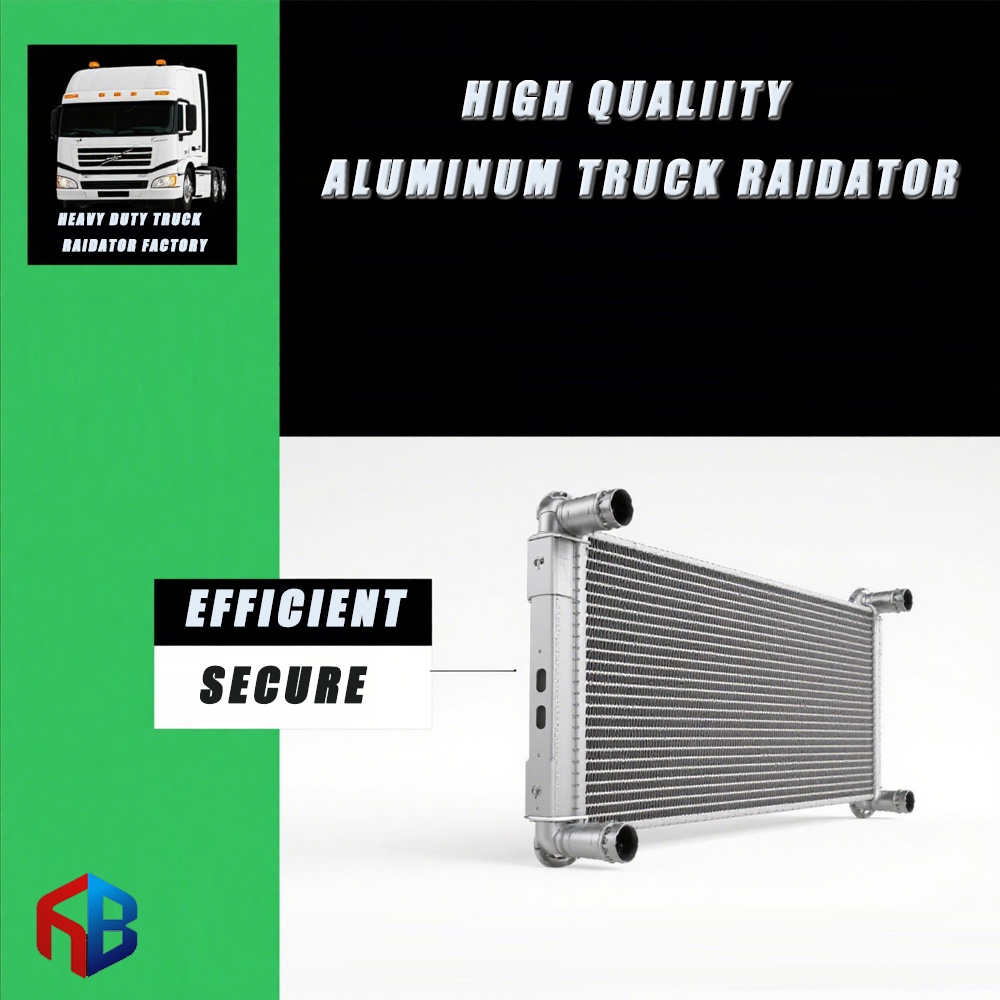
Unleash peak truck performance with our top - tier radiators! Engineered for efficiency, they ensure cool operations, safeguard brakes, and cut fuel costs. Click [link] to upgrade now!
The "Cooling Master" of Cars: How Radiators Dominate the Overall Vehicle Performance
Unveiling the Sizes of Truck Radiator Cores: Does Size Really Make a Difference in Performance?
Related Article


